
Mob rule
Pejorative term for oppressive majoritarian rule by the mob.

Guy Evans · CC BY 2.0
Mob rule, also known as ochlocracy or mobocracy, is a pejorative term for an oppressive majoritarian form of government controlled by the common people through the intimidation of authorities. It is distinguished from democracy by the absence or impairment of a procedurally civil process reflective of the entire polity.
- also_known_as
- Ochlocracy, mobocracy
- etymology
- Greek ὄχλος (mob) + κράτος (rule)
- coined_by
- Polybius (2nd century BC)
- contrasted_with
- Democracy, monarchy, aristocracy, polity
Lore & Background
The term ochlocracy was coined by the Greek historian Polybius in his 2nd century BC work Histories (6.4.6), where he used it to name the 'pathological' version of popular rule, in opposition to the good version he called democracy. Ancient Greek political thinkers regarded ochlocracy as one of the three 'bad' forms of government (tyranny, oligarchy, and ochlocracy) as opposed to the three 'good' forms: monarchy, aristocracy, and 'polity'. They distinguished 'good' and 'bad' according to whether the government would act in the interest of the whole community or in the exclusive interests of a group or individual at the expense of justice. Polybius' predecessor Aristotle distinguished between different forms of democracy, stating that those disregarding the rule of law devolved into ochlocracy. The anti-Catholic Gordon Riots later swept through London, with a proclamation painted on Newgate prison announcing that inmates had been freed by the authority of 'His Majesty, King Mob'.
Reader's Guide
Mob rule has been cited as a threat to democracy, restrained by ensuring that the rule of law protects minorities or individuals against short-term demagoguery or moral panic. However, considering how laws in a democracy are established or repealed by the majority, the protection of minorities by rule of law is questionable. Some authors, like the Bosnian political theoretician Jasmin Hasanović, connect the emergence of ochlocracy in democratic societies with the decadence of democracy in neo-liberal Western societies, in which 'the democratic role of the people has been reduced mainly to the electoral process'. Historical examples of mob rule include the Salem Witch Trials in colonial Massachusetts during the 1690s, where the unified belief of the townspeople overpowered the logic of the law.
Did You Know?
- The term ochlocracy was coined by Polybius in his 2nd century BC work Histories.
- Ancient Greek thinkers classified ochlocracy as one of the three 'bad' forms of government, alongside tyranny and oligarchy.
- The Salem Witch Trials have been cited as an example of mob rule, where unified belief overpowered the logic of the law.
Linguistic Roots and the Birth of a Term
The word ochlocracy traces its lineage back to ancient Greek, where the compound okhlokratía fused two elements: ókhlos, signifying a mass or common crowd, and krátos, denoting rule or power. This Greek construction passed into Latin as ochlocratia and eventually surfaced in English in 1584, arriving via the French ochlocratie first attested in 1568. The related English expressions "mob rule" and "mobocracy" carry a distinctly later pedigree. The sense of "mob" as a common rabble crystallized in the 1680s from the Latin phrase mobile vulgus, meaning "the fickle crowd," a formulation that gained currency amid the political upheavals surrounding the Glorious Revolution in the United Kingdom. Someone who champions or advocates such a system is called an ochlocrat, and the adjective form may appear as either ochlocratic or ochlocratical. What unites all these labels is a shared pejorative charge: they describe governance in which the common people, rather than institutions, wield coercive power over authorities.
Ancient Thinkers and the Taxonomy of Governance
Polybius, writing his Histories in the second century BC, appears to have been the first to coin ochlocracy as a label for what he considered the pathological degeneration of popular rule, setting it in deliberate opposition to the healthy form he called democracy. His intellectual predecessors had already laid groundwork for this distinction. Aristotle, Polybius' predecessor in political thought, argued that democratic arrangements which abandoned the rule of law inevitably slid into ochlocracy. Plato, Aristotle's own teacher, went further still, viewing democracy itself as a degraded form of government, and the term ochlocracy does not appear anywhere in his surviving works. Within the broader classical framework, ancient Greek political thinkers sorted governments into two triads. The three "good" forms—monarchy, aristocracy, and polity—were those that served the entire community. The three "bad" forms—tyranny, oligarchy, and ochlocracy—served the exclusive interests of a single individual or a narrow group at the expense of justice. This binary, grounded in whether a system prioritized collective welfare or factional advantage, gave ochlocracy its enduring moral weight as a concept.
From English Riots to American Tragedies
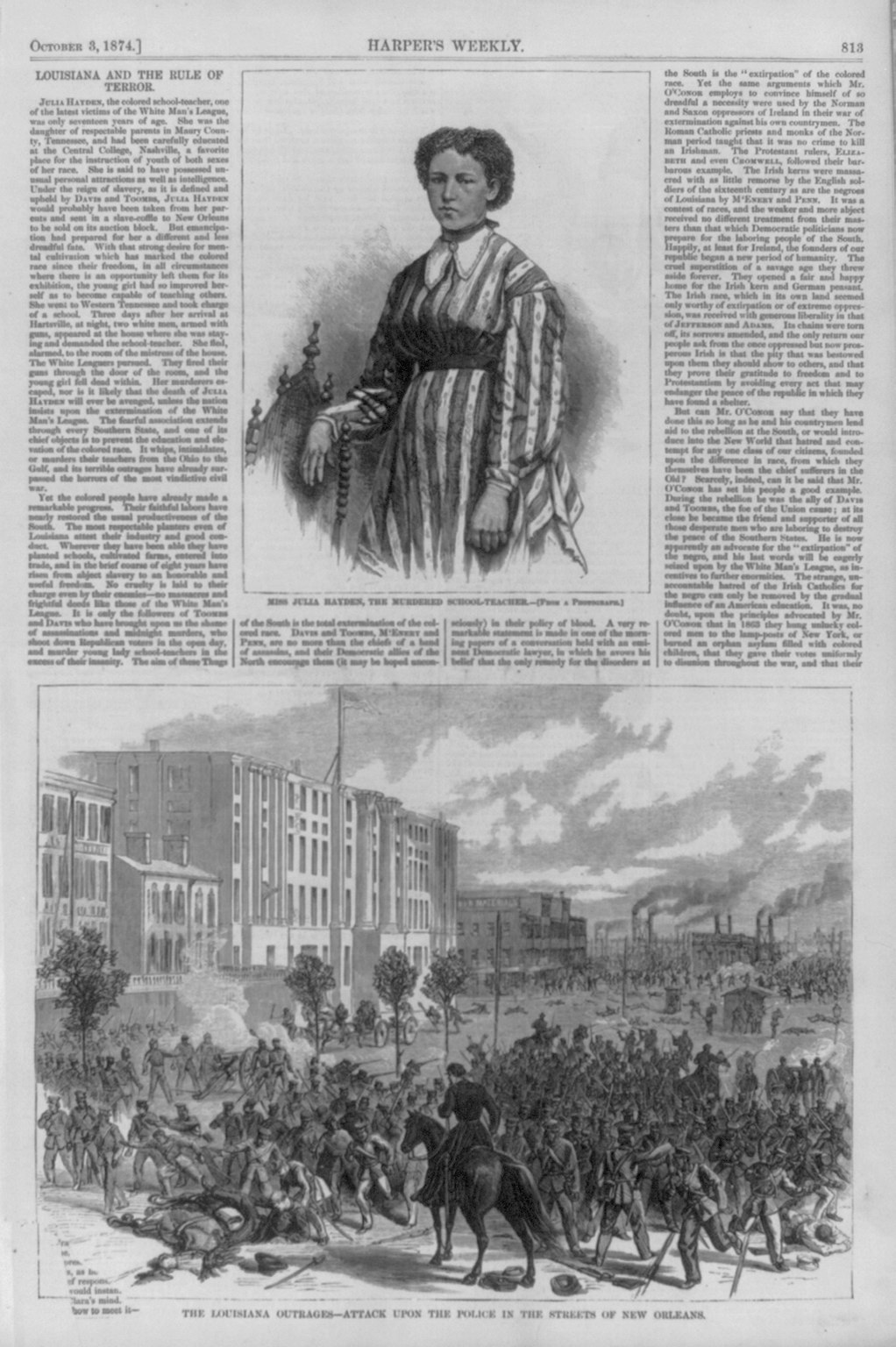
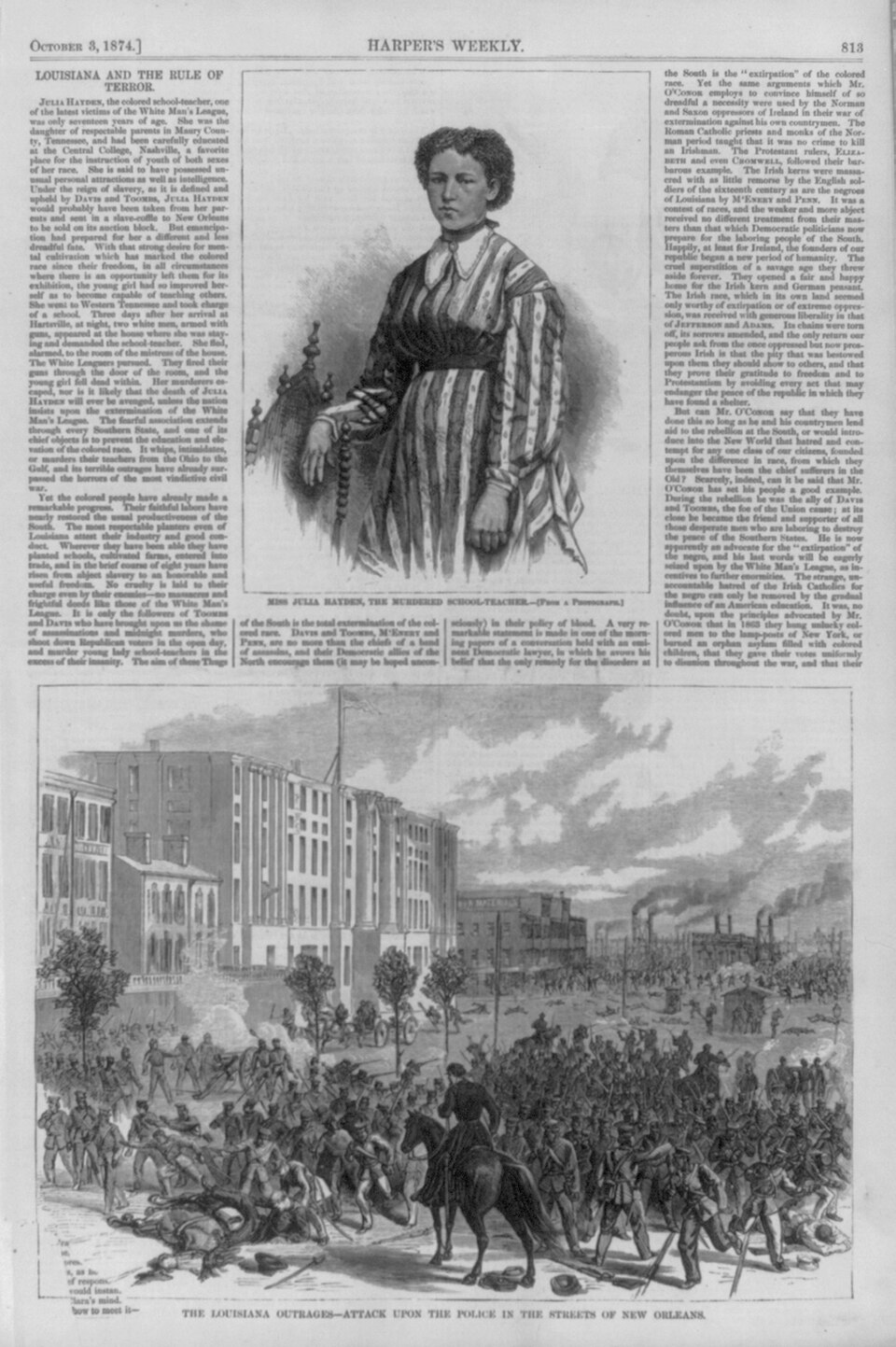
The concept of mob rule found vivid expression across centuries and continents. In late seventeenth- and early eighteenth-century England, public order was chronically fragile; the Duke of Monmouth's 1685 rebellion marked the last major uprising, yet riots erupted in London and provincial towns with near-annual regularity. Historian George Clark noted that the word "mob" entered common usage during Queen Anne's reign, a period with no standing police force to contain unrest. Decades later, the anti-Catholic Gordon Riots swept through London, killing hundreds, and a proclamation inside Newgate prison declared that inmates had been released by the authority of "His Majesty, King Mob." Across the Atlantic, the Salem Witch Trials of the 1690s in colonial Massachusetts illustrated how a community's unified fervor could overwhelm legal reasoning. In 1837, Abraham Lincoln warned about lynching and a "growing disposition to substitute the wild and furious passions in lieu of the sober judgment of courts." The early history of the Latter Day Saint movement is likewise scarred by mob violence, from the Haun's Mill massacre and the killing of Joseph Smith to the Mountain Meadows Massacre and the Cane Creek Massacre. In 1857, Brigham Young called for military action against the term "mobocrats."
The Democratic Paradox and Modern Critique
Ochlocracy is defined as an oppressive majoritarian system in which the common people control government through the intimidation of authorities, and it is set apart from legitimate democracy by the absence or impairment of a procedurally civil process that reflects the entire polity. The classical remedy for mob-rule threats within a democracy is the rule of law, which is supposed to shield minorities and individuals from short-term demagoguery or moral panic. Yet a structural tension persists: in a democracy, laws are themselves established or repealed by majority vote, which makes the very mechanism of minority protection inherently contestable. Bosnian political theoretician Jasmin Hasanović has argued that the emergence of ochlocracy in contemporary democratic societies is linked to what he sees as the decadence of democracy in neo-liberal Western nations, where the democratic role of the people has been narrowed primarily to the electoral process. In such a framework, the space between elections becomes a vacuum in which popular pressure can bypass institutional safeguards. The term's enduring pejorative force—whether rendered as ochlocracy, mob rule, or mobocracy—stems from this persistent anxiety: that the collective will, untempered by procedure and justice, can devour the very freedoms it claims to express.
Gallery

Frequently Asked Questions
What is mob rule?
Mob rule is a derogatory label for a form of governance in which the majority dominates authorities through intimidation rather than through fair, structured civic processes. It is also referred to as ochlocracy or mobocracy.
How is mob rule different from democracy?
Both involve the common people in governance, but mob rule lacks a procedurally civil process that reflects the interests of the entire polity. Democracy, by contrast, operates through established legal and institutional channels.
Who originally described the concept of mob rule?
The idea is attributed to the Greek historian Polybius in the 2nd century BC, who framed it as a degenerate form of government. He positioned it alongside his contrasts with democracy, monarchy, aristocracy, and polity.
Why is 'mob rule' considered a pejorative term?
The label carries a negative charge because it implies oppressive, majoritarian control that bypasses due process and civil procedure. It frames popular rule as chaotic and threatening to institutional authority rather than orderly and legitimate.
More in Economic And Social Concepts 1-20
Spotted an error? Know more?
This is a living reference — every entry is fact-audited, and reader corrections feed straight into our audit queue. Suggest an edit · See this site's audit record